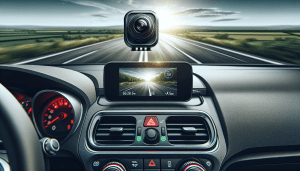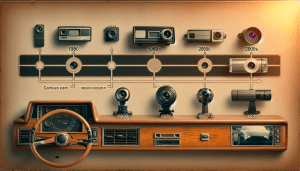
If you're on the hunt for a great dash camera that keeps you safe on the road, you're in the right place. These little gadgets can be a lifesaver, providing crucial evidence if you're involved in an accident. Here are a few top picks that won’t disappoint.
1. Garmin Dash Cam Mini 2
This compact dash cam is perfect if you're short on space but still want quality. It has a wide-angle lens that captures everything in its field, plus it offers voice control, so you can stay focused on driving. You can easily access footage through the app, making playback a breeze.
2. Nextbase 522GW
The Nextbase 522GW is a standout with its crisp video quality and a wide array of features. It even has a "what's happening" mode, which lets you see real-time footage while you're parked.
3. Vantrue N4
If you want a dash cam that covers all angles, the Vantrue N4 has you covered. It's great for rideshare drivers or anyone who wants to capture both the front and rear views along with the inside of the vehicle.
These picks bring great value and reliability to your driving experience. No matter which one you choose, you're adding an extra layer of safety to your journeys.
Features You’ll Love in Dash Cameras
Dash cameras have become essential for road safety, and there are some standout features you’ll absolutely love. First up, a high-resolution camera is a must. Look for models that record in 1080p or even 4K. Clear footage can make all the difference if you need to prove what happened in an accident. You want those details to be as sharp as possible!
Another fantastic feature is night vision. Driving at night can be tricky, and you want your dash cam to capture everything clearly, even in low light. Many cameras now have advanced sensors that kick in automatically when it gets dark, ensuring you won’t miss a thing.
GPS functionality is a game-changer, too. It not only records your speed and location but can also help you find your way back if you get lost. Plus, having location data on your video can be handy if you ever need to dispute a ticket or accident claim.
Last but not least, check for loop recording. This feature allows your dash cam to overwrite old footage automatically. So you never have to worry about running out of space. Just set it and forget it; your camera will keep rolling and capturing everything you need!
How to Choose the Right Dash Cam
Choosing the right dash cam can feel overwhelming with so many options out there. But don’t worry! I’ve got your back. Start by thinking about what you really need. Are you mostly concerned about recording accidents, or do you want to capture every road trip moment? Establishing your priorities makes the process way easier.
Next, consider the video quality. You want a dash cam that records in at least 1080p. Higher resolutions, like 1440p or even 4K, make it easier to read license plates and capture important details. Night vision is also a big deal. Look for models with strong low-light performance if you drive a lot at night.
Don’t forget about the field of view! A wider angle lets you capture more of the surroundings. Something around 140 to 180 degrees is pretty standard and covers a good amount of the road. Check out user reviews too; they often share insights on how well different cameras perform in real-life situations.
Lastly, think about extra features. Do you want GPS tracking? Loop recording? Maybe even Wi-Fi connectivity? These features can enhance your experience, making it easier to access and share videos. Pick what suits your lifestyle, and you’ll be happy with your choice!
Installing Your Dash Camera Made Easy
Installing your dash camera doesn't have to be a hassle. Most dash cams are designed to be user-friendly, so you can hit the road with peace of mind in no time. Here’s how to get started.
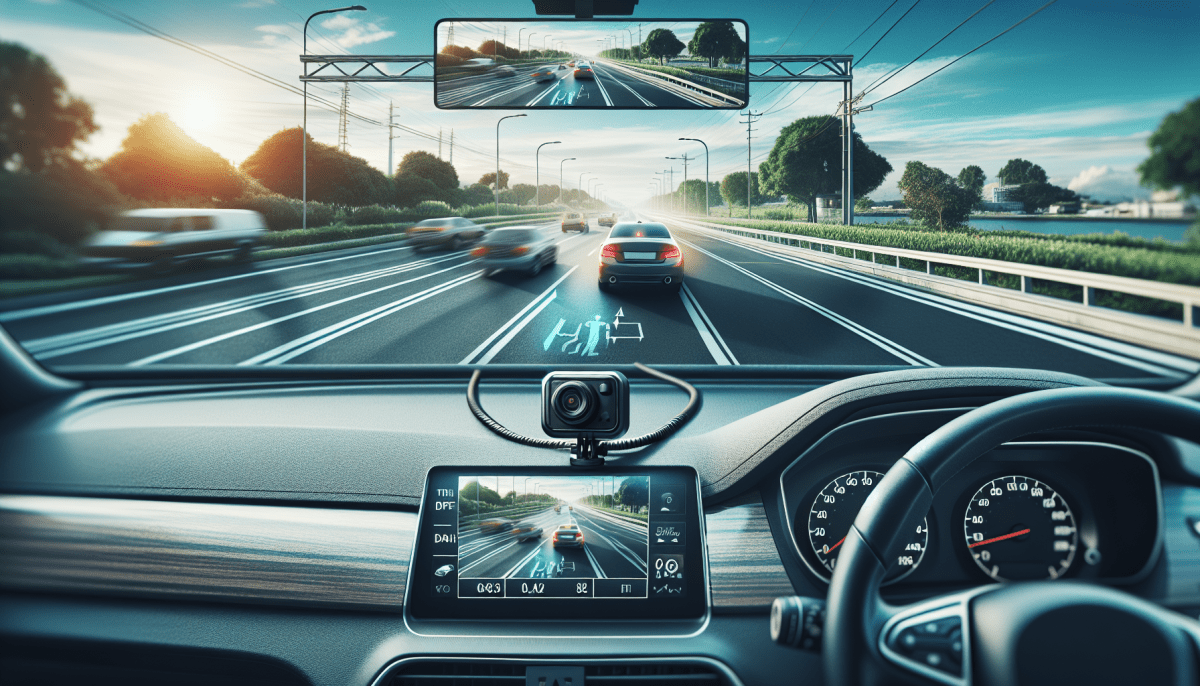
First things first, find a good spot on your windshield. Place the camera behind your rearview mirror for a clear view of the road ahead without blocking your line of sight. Use the included adhesive mount or suction cup to secure it in place. Make sure it’s stable; you don’t want it shaking around when you drive.
Next, you'll need to route the power cable. Most dash cameras come with a charging cable that you can easily plug into your car's power outlet. Tuck the cable along the edges of your windshield and down the sides of your dash. This keeps your setup neat and prevents any distractions while driving.
Once everything’s set up, turn on your dash camera and adjust the settings to suit your needs. Make sure to set the date and time correctly for the best organization of your footage. Some cameras even let you adjust the resolution and loop recording settings!
Just like that, you’re ready to hit the road with your dash camera in place. Now you can drive without worrying about unexpected incidents. Your dash cam has your back, capturing everything you need for peace of mind on the road.